

21 Apr Moving to Irvine, CA: A Complete Relocation Guide
If you’re moving to Irvine, CA, you’re not just picking a dot on the map. You’re choosing one of the most carefully designed, sought-after communities in Orange County—a place known for clean neighborhoods, excellent schools, strong property values, and a daily rhythm that feels more organized than chaotic. For many people, living in Irvine means trading uncertainty for structure: master-planned neighborhoods, well maintained parks, tree lined streets, and a city that seems built to make everyday life run a little smoother.
That said, a move here takes planning. Irvine CA has a lot going for it, but it also comes with a high cost of living compared to the national average. Before you pack boxes and schedule movers, it helps to understand the local job market, housing costs, schools, commute patterns, and what different villages inside the city actually feel like. This guide breaks down the essentials so your move feels informed, not rushed.
Why So Many People Are Moving to Irvine
There’s a reason Irvine consistently ranks among the most desirable places to live in California. The city blends suburban comfort with economic opportunity in a way that’s hard to fake. You get a polished environment, a strong community, and proximity to the coast, universities, business centers, and major freeways without feeling like you’re in the middle of nonstop urban noise.
For families, students, and the average young professional, moving to Irvine often starts with one practical goal—better schools, safer neighborhoods, or stronger job opportunities—and then expands into something bigger. The city has a reputation for being the safest city or among the safest in the region, and that matters when you’re deciding where to put down roots. It also helps that Irvine offers a rare mix of order and access. You can be near Newport Beach, close to Costa Mesa, and still feel tucked into a calm, highly managed environment.
Where Irvine Is Located and Why It Matters
One of the biggest advantages of Irvine’s location is how central it feels within Orange County. The city sits near major business corridors and offers relatively straightforward access to nearby employment hubs, beaches, and regional attractions. Depending on where you live within the city limits, you can get to Santa Ana, Costa Mesa, or Newport Beach quickly, and trips to San Diego are realistic for weekend travel or even some hybrid work setups.
For people relocating within Southern California, this flexibility is a major selling point. Irvine CA works well for commuters who need access to multiple cities, not just one office. It also appeals to people who want to be near Laguna Beach, close enough to Los Angeles for occasional business, and still grounded in a more residential, family friendly setting. In a region where many cities feel either too hectic or too isolated, Irvine lands in a useful middle ground.
The General Feel of Living in Irvine
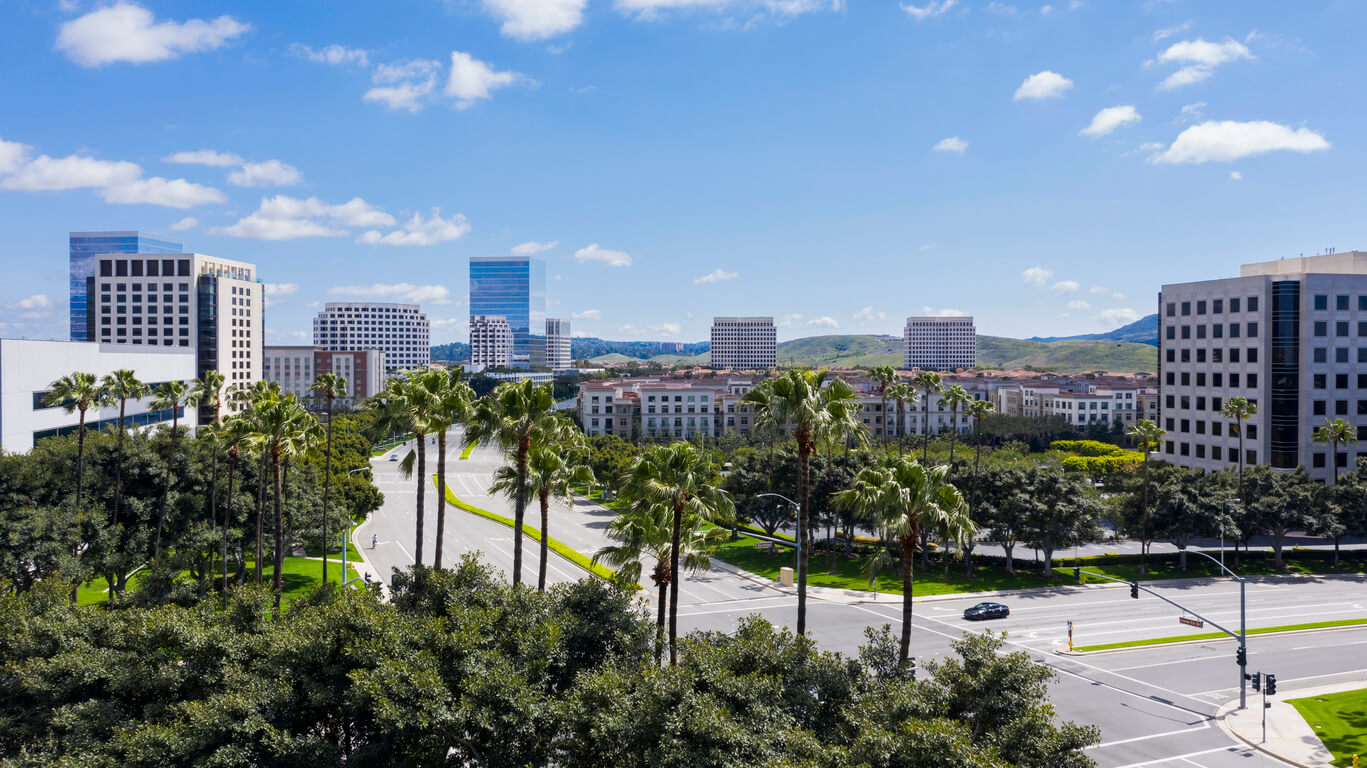
Living in Irvine is often described as orderly, polished, and convenient. That’s accurate, but it leaves out the texture. The city feels intentional. Roads are wide. Neighborhoods are well maintained. Parks don’t seem like afterthoughts. Even the shopping centers often feel stitched into the surrounding community rather than dropped in randomly. It’s one of the few master planned places where that planning is visible almost everywhere you go.
The upside of that design is predictability. The tradeoff is that some people find Irvine less spontaneous than older California communities. Still, for many movers, that’s the appeal. Moving to Irvine means choosing a place where sidewalks connect, bike lanes are common, sports fields are busy, and a trip to the grocery store rarely feels like an obstacle course. If you like structure, convenience, and clean surroundings, living in Irvine can feel like exhaling after a long drive in traffic.
Housing Costs in Irvine: What to Expect
Let’s get right to it: housing costs in Irvine are steep. Whether you plan to rent or buy, expect prices above the national average and above what you’ll find in many other cities in California. This is one of the clearest tradeoffs of living in Irvine. You’re paying for location, schools, safety, and long-term demand.
The median home value and median home price in Irvine CA are significantly higher than the national average, and in many neighborhoods the median home cost reflects how competitive the market remains. If you’re buying, the median home value can vary widely depending on whether you’re looking in central Irvine, Orchard Hills, or an older established area. As a broad rule, newer homes, gated enclaves, and homes near top-rated schools tend to push property values even higher.
Renters should also budget carefully. Housing costs for apartments and townhomes in Irvine are elevated compared to the national average, especially in amenity-rich complexes. The good news is that many rentals are modern, professionally managed, and close to shopping or workplaces. The bad news is simple: the high cost is real. If you’re moving to Irvine CA, it helps to run numbers early, including utilities, parking, deposits, and commute-related expenses.
Best Neighborhoods and Villages in Irvine
One thing that makes Irvine different from many cities is its village structure. Rather than one single urban core, the city is made up of distinct neighborhoods, many of them master planned, each with its own feel. That means your experience of living in Irvine can vary quite a bit depending on where you land.
Central Irvine appeals to people who want newer apartments, access to shopping, and proximity to business centers. Orchard Hills is known for upscale homes, views, and a quieter residential atmosphere. Families often compare villages based on schools, park access, and whether kids can walk or bike to nearby amenities. Some neighborhoods are built around open space, while others emphasize convenience and walking distance access to retail or recreation. If you’re moving to Irvine, spend time comparing the villages instead of treating the city like one uniform block.
Irvine Schools and Education
For many households, the strongest reason for moving to Irvine is education. Irvine schools have a strong reputation, and the Irvine Unified School District is one of the city’s biggest draws. Parents looking for public schools with a record of academic excellence, strong test scores, and broad extracurricular options often put Irvine near the top of their list.
The Irvine Unified School District serves much of the city and is known for award winning schools, active families, and a culture of parent involvement. Many buyers specifically shop for homes based on attendance boundaries, and that demand influences both housing costs and property values. In a lot of local conversations, school quality isn’t a side note—it’s one of the engines behind the market itself.
Public Schools, High Schools, and Middle Schools
The city’s public schools are often described as offering excellent education, and in many cases that reputation is backed by strong performance. Families evaluating living in Irvine usually ask about elementary campuses first, but the city’s middle schools and high schools are just as important in relocation decisions. The consistency across grade levels is part of what makes the area so attractive.
Several high schools in Irvine CA are well known throughout Orange County, including Northwood High School. Other high schools in the area also draw attention for academics, athletics, arts, and college preparation. For parents comparing public schools across cities in Southern California, Irvine’s school system is often considered generally excellent, especially when measured against the national average. If education is high on your checklist, this city makes a strong case.
Higher Education and UC Irvine
Beyond K-12 education, UC Irvine is another major asset. The university brings research, culture, employment, and a steady stream of students and professionals into the city. For some residents, proximity to UC Irvine is a practical benefit tied to work or school. For others, it adds energy and credibility to the broader community.
The presence of UC Irvine also strengthens the local economy and contributes to the city’s educated workforce. It’s one more reason Irvine CA appeals to people who want a place that feels intellectually active without becoming overrun. In a lot of California cities, the line between college town and residential suburb can get blurry. Irvine manages to benefit from the university while still maintaining its own identity.
Median Household Income and Cost of Living
The median household income in Irvine is higher than the national average, which helps explain why the city can support elevated housing costs and a more expensive daily lifestyle. The median income here reflects a professional population tied to technology, healthcare, education, finance, and other high-skill sectors. In plain terms: people earn more, but they also spend more.
That balance matters. A higher median household income does not automatically make living in Irvine feel affordable. Groceries, dining, childcare, and housing can still strain a budget, especially for newcomers coming from lower-cost cities. If you’re considering moving to Irvine CA, compare your expected earnings to the local cost structure rather than relying on broad California averages. The national average won’t tell you much about what life here actually costs.
Irvine’s Job Market and Largest Employers
The local job market is one of the city’s strongest selling points. Irvine has a thriving job market supported by major employers in healthcare, tech, gaming, education, and professional services. If you’re relocating for work, this is one of the more stable and opportunity-rich areas in Orange County.
Among the largest employers and notable companies in the area are Blizzard Entertainment and Edwards Lifesciences. Those names alone tell you something about the local economy: it’s not built around a single industry. The job market here includes corporate headquarters, medical firms, research institutions, and service businesses. That diversity creates more resilience and broadens the pool of job opportunities for residents.
Job Opportunities for Professionals and Families
For professionals in tech, healthcare, logistics, education, and business services, Irvine offers serious upside. The city’s job market is attractive not only because of current openings, but because of the concentration of employers nearby. Even if your office isn’t directly inside city limits, there are strong job opportunities across Orange County and neighboring cities.
This is especially helpful for two-income households. One partner might work in Irvine CA, while the other commutes to Costa Mesa, Santa Ana, or even farther south toward San Diego on occasion. That kind of flexibility is part of why moving to Irvine appeals to both families and the typical young professional trying to keep multiple career paths open.
Transportation, Public Transportation, and Commute Times
Despite its polished layout, Irvine is still very much a car-oriented California city. Most residents drive, and commute times can stretch during rush hours, especially if you’re heading toward other employment centers. The city’s design helps with traffic flow, but it does not magically erase Southern California congestion.
That said, public transportation exists and can be useful depending on your route. Between bus options, rail connections nearby, and regional commuting infrastructure, there is some access to public transit, though it won’t replace a car for everyone. If moving to Irvine CA means a daily commute, map it carefully at the exact times you’ll travel. In this part of California, ten miles can feel short on paper and long in practice.
Getting Around the City Limits
Within the city limits, Irvine is easier to navigate than many nearby cities. Streets are wide, signage is clear, and many neighborhoods connect well to retail centers, schools, and parks. Some residents can manage errands within walking distance, though that depends heavily on the village. Others make regular use of bike lanes, especially for recreation or shorter local trips.
For regional travel, public transportation and public transit options can support certain commutes, but most households still rely on cars. If you work in one of the largest employers nearby, your drive may be manageable. If your work takes you toward Los Angeles or deeper into San Diego County, commute times can become a serious quality-of-life factor. When comparing cities, this is where Irvine’s central position helps—but only up to a point.
Weather, Outdoor Activities, and Open Space
One of the easiest parts of living in Irvine is the climate. The city enjoys a mediterranean climate with plenty of sunny days, mild winters, and long stretches of weather that make outdoor plans easy to keep. If you’re tired of planning around snow, humidity, or constant storms, Irvine can feel like someone turned the friction down.
That weather supports a lifestyle built around parks, trails, and outdoor activities. Residents enjoy open space, neighborhood parks, and access to recreational areas throughout the city. Places like Bommer Canyon and the Great Park give locals room to walk, bike, play, and decompress without leaving the city. For families, that means playgrounds and sports fields. For professionals, it may mean a quick trail walk after work instead of another evening indoors.
Community Life, Culture, and Community Events
For a city known for planning and structure, Irvine also has a growing cultural side. The local community includes residents from many backgrounds, and that shows up in food, festivals, and neighborhood programming. You’ll find everything from polished shopping districts to pockets of international food, including standout spots for korean bbq and other global cuisine.
Seasonal community events, farmers markets, family programs, and performances help keep the city from feeling sterile. Depending on the time of year, you may find live music, local celebrations, and even dance performances tied to cultural organizations or public venues. While Irvine may not have the gritty spontaneity of older urban cities, its community events still create a strong sense of belonging.
Nearby Beaches and Weekend Destinations
Another perk of living in Irvine is how many great places are close by. If you want the coast, Newport Beach and Laguna Beach are both easy weekend or even after-work options. If you want shopping, dining, or a more urban feel, Costa Mesa is right there. If you need a broader county hub, Santa Ana is nearby too.
For longer escapes, day trips to San Diego are realistic, and many residents make that drive regularly for family, work, or recreation. That access to other cities matters. Irvine itself is comfortable and efficient, but part of its strength is being close to places with very different personalities. You can enjoy the order of Irvine and still reach beaches, arts scenes, and older downtown areas without much effort.
Is Irvine Right for You?
Moving to Irvine makes sense for people who value strong schools, safety, organization, and access to a healthy regional job market. It’s especially appealing for families seeking top schools, professionals looking for stable job opportunities, and buyers who prioritize long-term property values. The city delivers on a lot of what people want from suburban California life.
Still, it’s not for everyone. The high cost is the biggest barrier, and some people prefer cities with more nightlife, older architecture, or a looser, less managed atmosphere. But if your priorities include excellent education, a strong community, reliable infrastructure, and a polished environment, Irvine CA is hard to ignore. For many newcomers, moving to Irvine CA feels like making a practical decision that also improves day-to-day life.
Planning Your Move to Irvine With Less Stress
If you’ve decided that living in Irvine is the right next step, the move itself deserves just as much strategy as the home search. Between lease dates, school registration, utility setup, packing, and scheduling around work, relocation can get messy fast. That’s especially true in Orange County, where timing, traffic, and building access can complicate what looks simple on paper.
Working with professional movers can take a lot of that pressure off your plate. Monster Moving and Storage helps customers throughout Orange County with local and long-distance relocations, packing, storage, and the heavy lifting that makes moving day easier. If you’re moving to Irvine, having an experienced team on your side can make the difference between a chaotic transition and one that feels organized from the start.
Final Thoughts on Moving to Irvine, CA
At its core, Irvine means planning, stability, and quality of life. It’s one of those rare master planned California communities where the design actually shapes the daily experience. The parks, schools, roads, neighborhoods, and business centers all work together in a way that makes the city feel unusually functional.
If you’re serious about moving to Irvine, take time to compare neighborhoods, estimate housing costs, review commute times, and think honestly about what you want from your next chapter. For the right person or family, Irvine isn’t just a good place to land—it’s a place that can make life feel more manageable, more connected, and more intentional from day one.
Sorry, the comment form is closed at this time.